Soccerbible
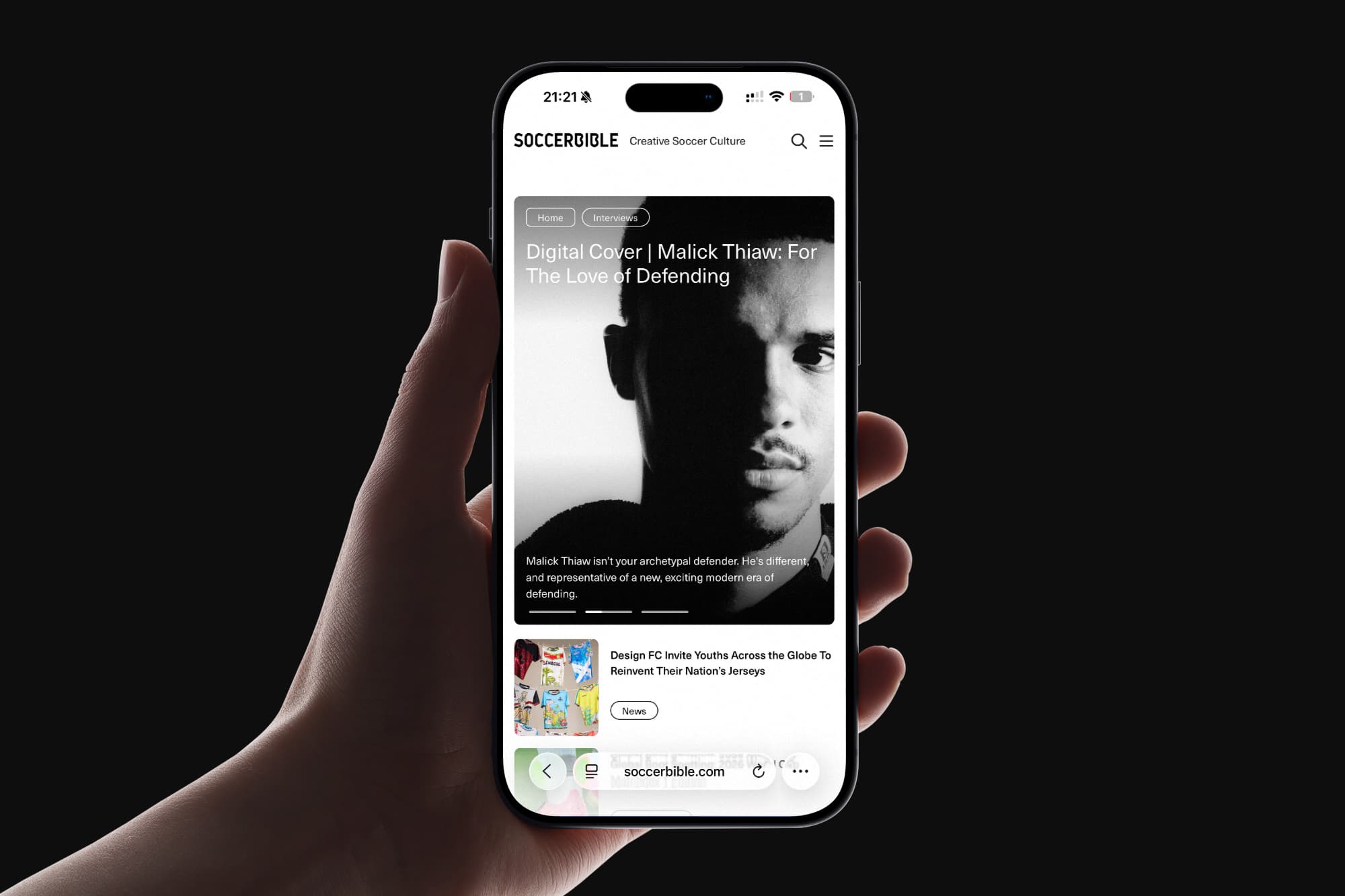
Transforming SoccerBible from an article feed into a curated content platform.
The Challenge
The existing experience made it difficult for users to discover and engage with content.
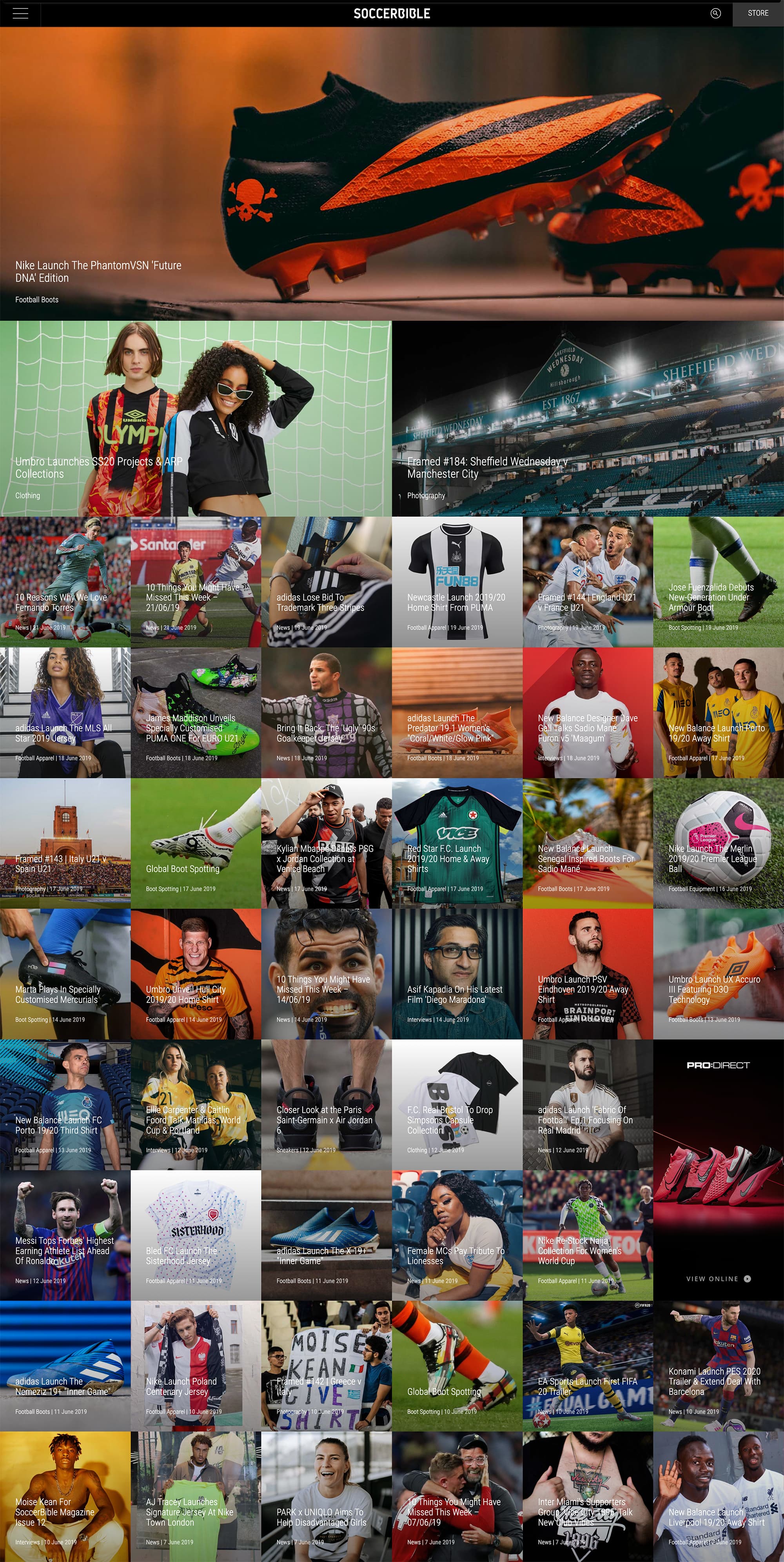
The homepage consisted of a continuous grid of articles where every story carried the same visual weight. Content categories lacked structure, navigation options were limited, and article pages offered little support for continued exploration.
As a result, users often relied on scrolling to find content, featured stories struggled to stand out, and valuable editorial content was easily lost amongst newer articles.
The challenge was not simply to redesign the interface, but to rethink how content was organised, surfaced, and consumed across the platform.
Discovery & Insights
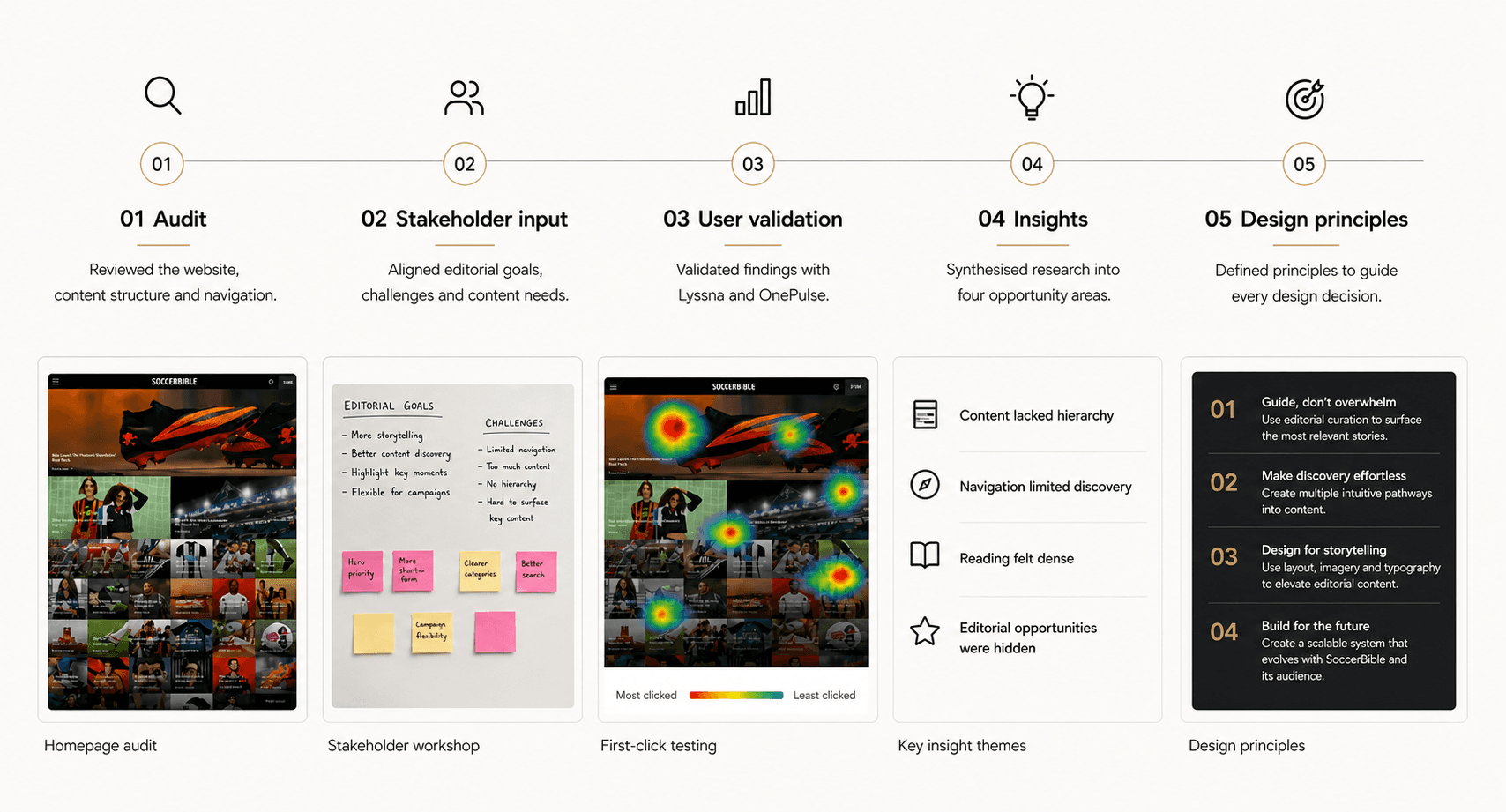
Before moving into design exploration, I conducted a review of the existing experience and validated assumptions through user feedback and testing.
Working with the editorial team, I audited existing content structures, reviewed navigation patterns, and analysed how users moved through the platform.
To support this, I conducted preference testing and first-click testing using Lyssna, alongside audience validation through OnePulse.
The findings consistently highlighted four opportunities:
- Users wanted clearer ways to browse content based on interests.
- Important editorial stories lacked visibility.
- Navigation offered too few pathways into content.
- Article pages failed to encourage continued exploration.
These insights shifted the focus from a visual redesign to a content discovery challenge.
Information Architecture & Navigation
One of the most significant parts of the redesign involved restructuring the site’s information architecture.
The previous navigation relied heavily on homepage browsing behaviour and provided limited ways for users to discover content beyond scrolling.
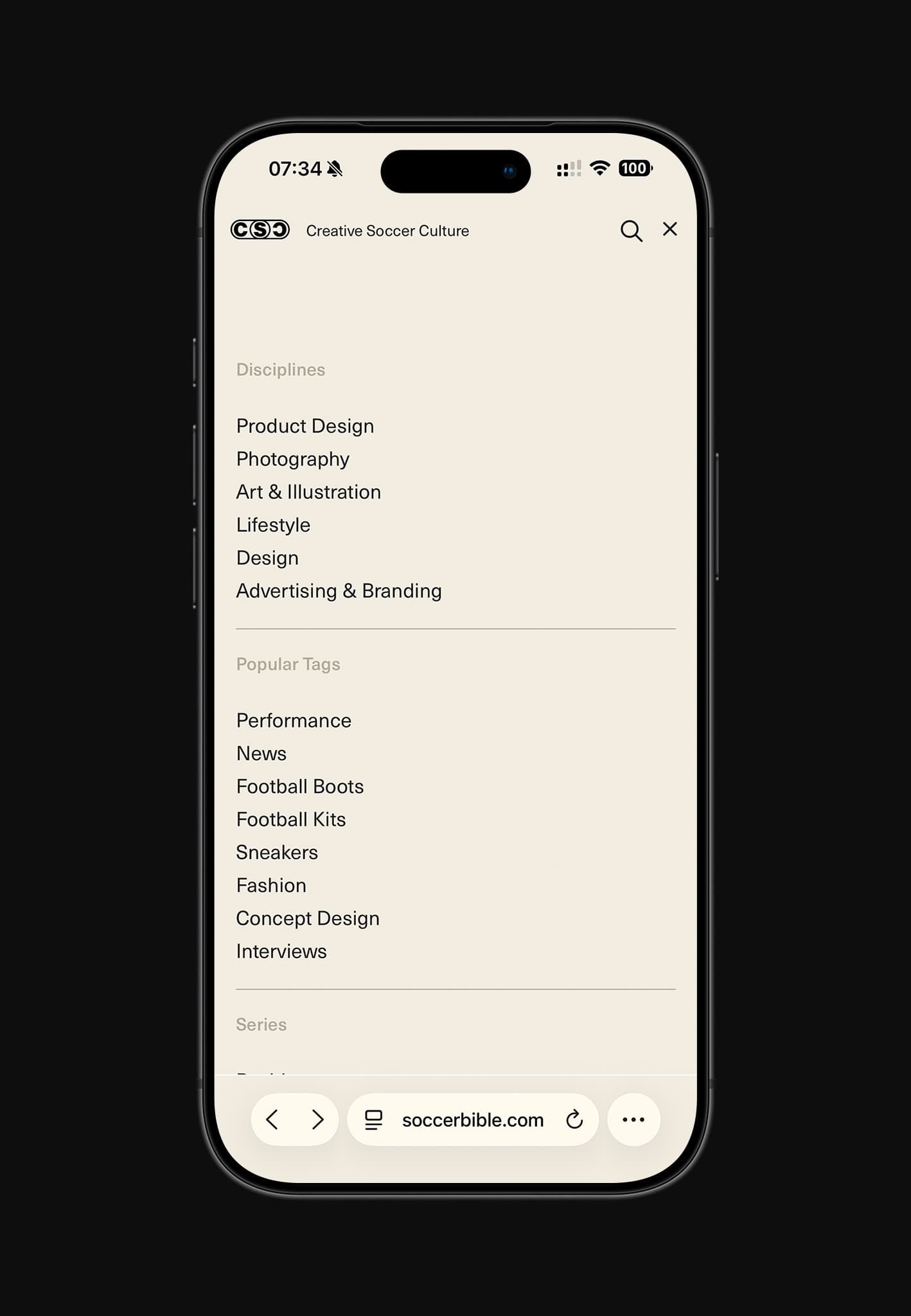
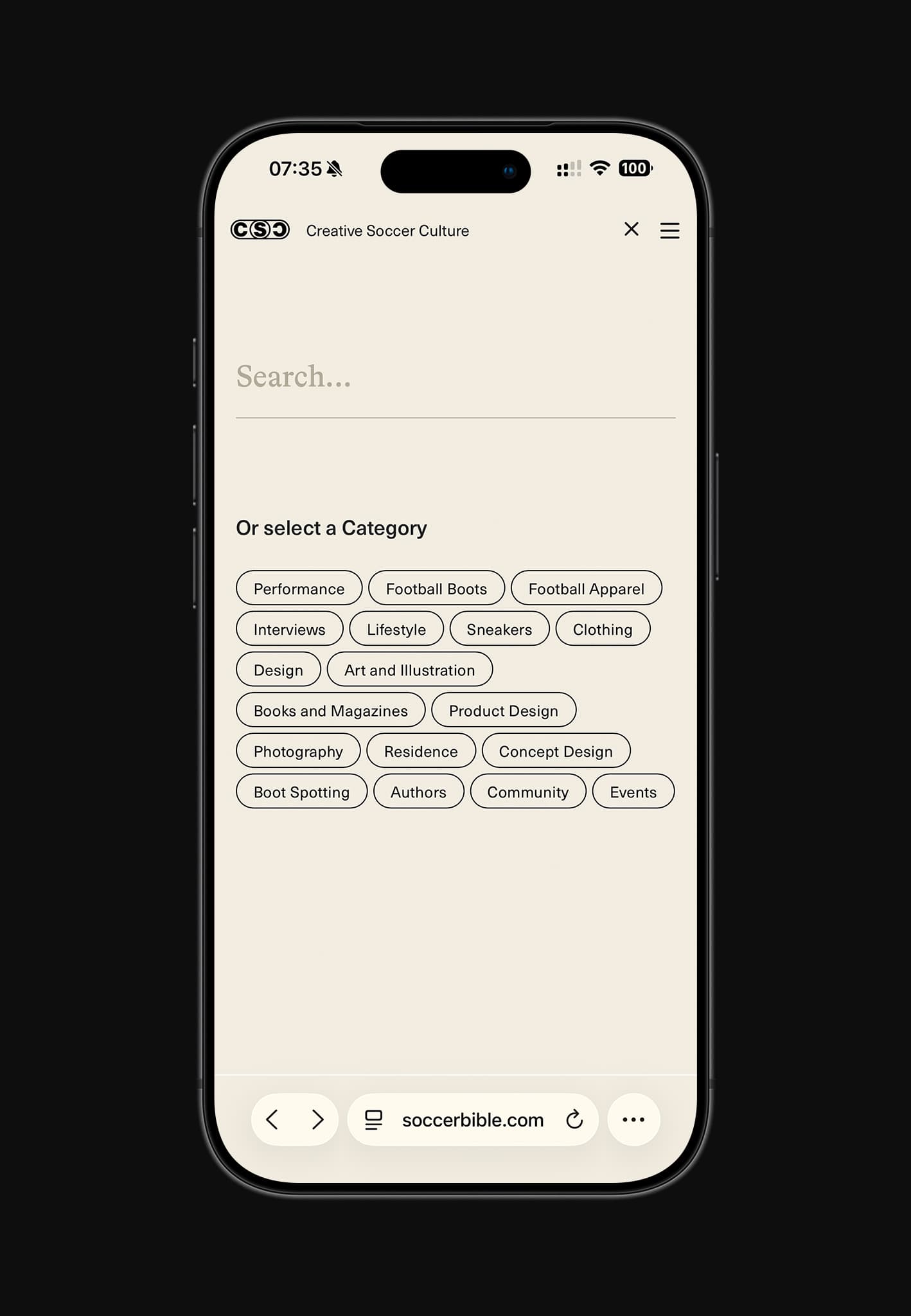
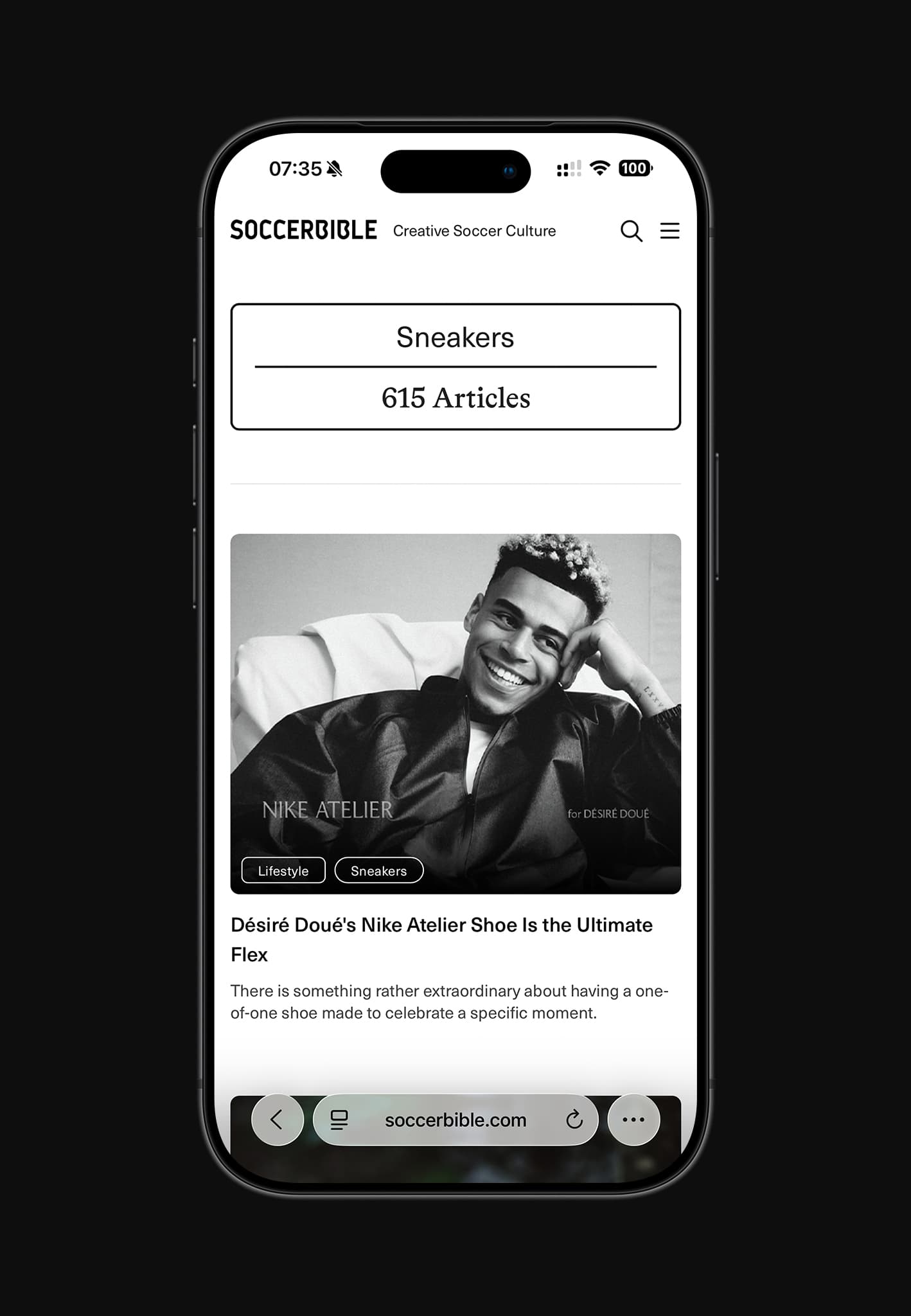
I redesigned the taxonomy to create clearer content groupings across disciplines, editorial categories, tags, and series. This introduced multiple pathways into content and helped users browse based on interests rather than chronology.
The result was a navigation system designed for discovery rather than simply site navigation.